Source Impact Resistant Climbing Glasses for Hiking, Mountaineering, and Skiing
Find impact resistant climbing glasses suitable for diverse outdoor activities including cycling, hiking, and skiing. Compare 30 available options featuring anti-fog, anti-scratch, and UV400 protection from verified Chinese manufacturers.
Key considerations
Products List




Comprehensive Sourcing Guide
Strategic Sourcing Guide for Impact Resistant Climbing Glasses
Defining Technical Specifications for High-Altitude Safety
When sourcing impact-resistant climbing glasses, buyers must first establish a precise technical baseline that aligns with the physical demands of vertical environments. The core requirement is a lens material capable of withstanding high-velocity impacts from falling debris, ice, or rock fragments without shattering. Based on observed market data, Polycarbonate (PC) and Resin are the primary materials utilized for these applications. PC lenses are frequently cited for their superior impact resistance, making them a standard choice for safety-critical eyewear. The frame material also plays a critical role; Silicone frames are observed in the market for their flexibility and ability to maintain a secure fit during vigorous movement, while also offering resistance to temperature extremes common in climbing scenarios.
The optical properties of the lens must be equally robust. Buyers should verify that the lens offers UV400 protection to shield eyes from intense solar radiation at high altitudes. The market data indicates that lenses often come in various colors, including Clear, Yellow, Smoke, Blue, and Mirror Coating, each serving different light conditions. For instance, Yellow lenses enhance contrast in low-light environments, while Smoke or Mirror coatings are essential for bright, sunny days. Furthermore, the lens type may be specified as Polarizer to reduce glare from snow or rock surfaces, though buyers must confirm if the specific model supports this feature or if it is a standard offering. The frame shape is another variable; Square and Ellipse shapes are observed, but the "Wrap-Around" style is particularly relevant for climbing as it provides peripheral protection and a secure fit that prevents wind and debris from entering the eye area.
Compliance and Certification Verification Protocols
In the realm of safety eyewear, compliance is not merely a formality but a critical component of liability management and user safety. Buyers must rigorously verify that the products meet recognized international standards. The observed market data lists several certifications, including CE, EN, PPE, and FDA. The CE marking indicates conformity with health, safety, and environmental protection standards for products sold within the European Economic Area. Specifically, the EN standard is crucial for personal protective equipment (PPE), ensuring the glasses have passed specific impact and optical quality tests. The FDA certification suggests compliance with United States regulatory requirements, which is vital for buyers targeting the North American market.
However, buyers should not assume that every listed product holds all these certifications. The data shows variations, such as "CE, EN" appearing alongside "PPE, CE, FDA." It is imperative to request valid certification documents for the specific batch or model being procured. The "One Size Fits Most" standard is also mentioned, but this should be treated as a sizing guideline rather than a safety certification. Buyers must ensure that the "Impact Resistant" claim is backed by the relevant EN or ANSI test results, which typically involve dropping a steel ball onto the lens at a specific velocity. Without documented proof of these tests, the "impact resistant" label remains an unverified observation. Additionally, the "Full Enclosed Style" is noted as "Not" in some listings, which is a significant consideration for climbing where dust and debris are prevalent; buyers should prioritize models that offer full enclosure or side shields to ensure maximum protection.
Cost Drivers and Pricing Structure Analysis
Understanding the cost structure of impact-resistant climbing glasses is essential for effective budgeting and negotiation. The observed price range in the market spans from $0.15 to $29.99 USD, a wide disparity that reflects differences in material quality, certification levels, and customization options. The lower end of the spectrum likely corresponds to basic models with standard PC lenses and minimal packaging, while the higher end may include advanced features like polarized lenses, specialized coatings, and comprehensive certification packages.
Several factors drive these costs. The material composition is a primary driver; Silicone frames and high-grade PC lenses are more expensive than alternative plastics. Customization is another significant cost factor, with the market data confirming that "Customization" and "Customized" options are available. This can include custom branding, specific lens tints, or tailored frame shapes, all of which add to the unit cost. The packaging also influences price; while "Carton Box" and "Boxed Cartoned" are standard, more robust packaging designed to protect the glasses during long-distance shipping may incur additional charges.
The Minimum Order Quantity (MOQ) is a critical variable in the total cost of ownership. The observed MOQ range is 5 to 12,000 units. For small buyers or those testing a new product line, an MOQ of 5 units allows for low-risk sampling. However, for large-scale procurement, the ability to order up to 12,000 units can significantly reduce the per-unit cost through economies of scale. Buyers should calculate the total landed cost, including shipping and duties, rather than focusing solely on the unit price. The "One Size" and "One Size Fits Most" specifications suggest a simplified inventory model, which can reduce logistics costs compared to managing multiple size variants.
Typical Applications and Usage Scenarios
Impact-resistant climbing glasses are designed for a variety of demanding environments beyond just vertical climbing. The market data highlights "Applicable Scenarios" such as Cycling, Hiking, Skiing, Shooting, and Motorcycle Riding. This versatility indicates that the design principles of these glasses—impact resistance, UV protection, and secure fit—are transferable across multiple outdoor activities. For climbing specifically, the "Anti-Shock," "Dust-Proof," "Anti-Fog," "Anti-Scratch," and "Anti-Chemical Fluid" properties are paramount. These features ensure that the glasses remain functional and safe even when exposed to harsh weather conditions, dust, and potential chemical splashes from cleaning agents or environmental contaminants.
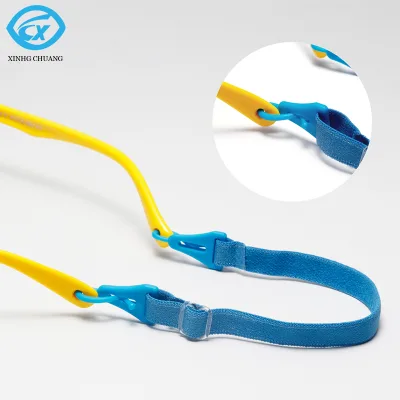
The "Usage" attributes also include "Anti-Impact" and "Anti-Fog," which are critical for maintaining visibility in varying temperatures. Climbing often involves rapid changes in altitude and temperature, leading to condensation on the lenses. Therefore, glasses with effective anti-fog coatings or ventilation systems are highly desirable. The "Style" is described as "Casual" in some contexts, but for professional use, the "Wrap-Around" style and "Elastic Head Bands" are more relevant as they provide a secure fit that does not slip during strenuous activity. The "Leg Feature" of elastic head bands is particularly important for climbing, as it ensures the glasses stay in place even when the wearer is inverted or moving quickly.
Supplier Evaluation and Origin Verification
When evaluating potential suppliers, buyers must prioritize transparency regarding the product's origin and manufacturing capabilities. The supplied data confirms that the "prod_origin" is China, a major hub for eyewear manufacturing. However, the location alone does not guarantee quality. Buyers should investigate the supplier's track record in producing safety-critical eyewear and their ability to provide consistent quality control. The "Condition" of the products is listed as "New," which is a basic requirement, but buyers should also verify the "Customized" status to ensure the supplier can meet specific branding or design needs.
The "prod_packing" information, which includes "Carton Box," "Carton," and "Boxed Cartoned," suggests that the supplier has established packaging protocols. However, buyers should assess whether the packaging is sufficient to protect the glasses during transit, especially for international shipping. The "prod_model" numbers, such as "26070303-168" and "D1," serve as unique identifiers for specific product lines. Buyers should use these model numbers to cross-reference with the supplier's catalog to ensure they are ordering the exact specifications required. Additionally, the "Standard" field mentions "20105" and "transparent," which may refer to packaging dimensions or lens clarity. Buyers should clarify these details to avoid misunderstandings regarding product dimensions or optical properties.
Quality Control and Long-Term Procurement Considerations
Maintaining quality over the long term requires a robust quality control (QC) strategy. Buyers should implement a multi-stage QC process that includes pre-production sample approval, in-process inspections, and final random sampling. The "Care Instructions" provided, such as "Clean Lenses with a Soft, Dry Cloth," should be verified as part of the product documentation to ensure users are aware of proper maintenance. This not only extends the life of the product but also reduces the risk of damage due to improper cleaning.
For long-term procurement, buyers should consider the scalability of the supplier's production capacity. The wide MOQ range of 5 to 12,000 units indicates flexibility, but buyers must confirm the supplier's ability to handle large orders without compromising quality or lead times. The "Lead Time" is not explicitly stated in the data, so buyers must negotiate this term explicitly. Furthermore, the "Customization" availability suggests that suppliers can adapt to changing market demands, but this should be balanced against the potential for increased production complexity and cost.
Buyers should also plan for product lifecycle management. As technology evolves, lens materials and coatings may improve. Establishing a relationship with a supplier that is committed to continuous improvement and innovation can ensure that the procurement strategy remains competitive. Finally, buyers should monitor the "Certification" status of the products regularly, as regulatory requirements can change. Ensuring that the glasses continue to meet current standards is essential for maintaining compliance and user safety.
Comparative Analysis of Product Attributes
To facilitate decision-making, the following table summarizes key attributes observed in the market data for impact-resistant climbing glasses. This comparison helps buyers identify the most suitable options based on their specific needs.
| Attribute | Observed Options | Relevance to Climbing |
|---|---|---|
| Lens Material | PC, Resin | PC offers superior impact resistance; Resin is lighter. |
| Frame Material | Silicone | Provides flexibility and secure fit during movement. |
| UV Protection | UV400 | Essential for high-altitude sun exposure. |
| Lens Type | Polarizer, Replacement Lenses | Polarizer reduces glare; Replacement allows for customization. |
| Frame Shape | Square, Ellipse, Wrap-Around | Wrap-Around offers best peripheral protection. |
| Certifications | CE, EN, PPE, FDA | Critical for safety compliance and liability protection. |
| Usage Features | Anti-Shock, Anti-Fog, Anti-Scratch | Directly addresses climbing hazards and environmental conditions. |
| Packaging | Carton Box, Boxed Cartoned | Ensures product protection during shipping. |
| Origin | China | Major manufacturing hub; requires supplier vetting. |
By carefully analyzing these attributes and adhering to the technical and compliance requirements outlined in this guide, buyers can make informed decisions when sourcing impact-resistant climbing glasses. The focus should remain on verifying claims through documentation, prioritizing safety certifications, and selecting suppliers with a proven track record in producing high-quality, safety-critical eyewear.
FAQs
What materials are used for impact resistant climbing glasses?
Polycarbonate and Resin are the primary lens materials used for impact resistance. Silicone frames provide flexibility and a secure fit during vigorous movement in high-altitude environments.
Which certifications should I verify for safety compliance?
Buyers must verify certifications such as CE, EN, PPE, and FDA for safety compliance. These marks indicate conformity with health and environmental standards for personal protective equipment sold in various regions.
Can I customize the lens color and frame shape?
Customization is available for lens colors like Clear, Yellow, Smoke, and Mirror Coating. Frame shapes such as Square and Ellipse can also be tailored to meet specific buyer requirements and branding needs.
How does UV protection work in these climbing glasses?
The glasses typically offer UV400 protection to shield eyes from intense solar radiation. This level of protection is essential for high-altitude climbing where UV exposure is significantly higher than at sea level.
What is the minimum order quantity for these products?
The minimum order quantity ranges from 5 to 12,000 units depending on the supplier. Small buyers can start with low-risk sampling, while large-scale procurement benefits from economies of scale at higher volumes.
Are the glasses suitable for multiple outdoor activities?
Yes, they are suitable for cycling, hiking, skiing, shooting, and motorcycle riding. The design ensures impact resistance and secure fit across various demanding outdoor scenarios beyond just vertical climbing.
What packaging is used for shipping these glasses?
Products are typically packed in Carton Boxes or Boxed Cartoned units. This packaging is designed to protect the glasses during transit, though buyers should verify if additional protection is needed for long-distance shipping.